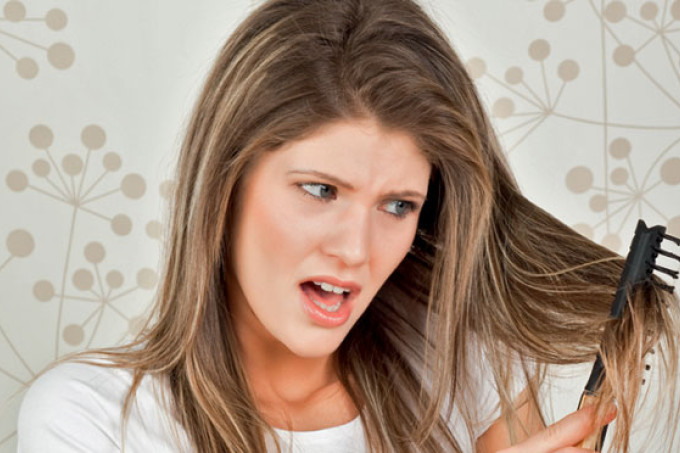
RIO – It may cause astonishment, but dermatologists guarantee that female pattern heavy hair fall is a common problem. The disorder, which will be debated at the 65th Congress of the Brazilian Society of Dermatology, which takes place this weekend in Rio, has the most diverse causes.
Among the most common are hormonal changes, genetics, and disorders such as anemia and hypothyroidism. According to dermatologist Marcio Rutowitsch, head of the dermatology sector at the State Servant Hospital, about 30% of women aged 50 have some degree of baldness. You need to be aware of the signs, as female hair loss is often different from male hair loss.
- Rare women are completely bald. What happens is a progressive thinning, usually from the age of 30 – explains Rutowitsch.
Dermatologist Celso Tavares Sodré, professor at the State University of Rio de Janeiro (UERJ), warns that women should be aware of some special signs, since every day people lose about 100 strands. This loss only worries if strands start to accumulate in the sink or shower drain, brush, clothes, or pillow.
When all the hair gets thinner, tufts fall out or there is a thinning where the strands are parted, it’s time to look for a doctor. Treatments respond best when baldness is in its early stages and will vary with the type of fall. For a complete diagnosis, doctors often recommend clinical and laboratory tests, such as the trichogram (wire analysis). In some cases, a scalp biopsy is required.
One of the most common causes of hair loss is telogen effluvium, characterized by thinning of the hair throughout the head. The fall can be acute or chronic and is usually caused by high fevers, dengue fever, anemia (caused by severe menstruation or nutritional deficiencies), radical diets, medications and postpartum.
Endocrinological illnesses that cause hair loss, such as thyroid disease, and major stress can also cause hair to fall out. In general, the disorder resolves spontaneously or within six months when the cause is corrected – says Sodré.
Another common cause is androgenetic alopecia – hereditary baldness – which affects up to one in five women, according to the American Academy of Dermatology. Rutowitsch explains that in these cases the forehead strands are preserved and the woman does not get ‘entrances’, but the hair on the back and top of the head gets thinner.
The genetic predisposition is what will determine the degree of fall, but the excess of male hormones, often elevated by ovarian or adrenal and pituitary gland problems, may contribute to their worsening.
This is what happened to event organizer Julia Andrade, 29, who spent almost a year battling thread thinning. The fault was polycystic ovary syndrome, which caused significant changes in his testosterone rate.
“First my strands got ridiculously oily and then they started to fall off. But the fall was slow and it took me a while to realize the problem. I thought it was because of too much dryer, dye and flat iron.
I also screwed up because I spent months trying to solve the problem with hairdressers. Only when I started taking contraceptives did my hair return to normal.
Both Rutowitsch and Celso Sodré warn that hairstyles, brushes, flat iron and dyes rarely cause hair to fall out.
- In general, these procedures cause hair breakage, but will almost never cause hair loss. But the continued traction of some processes, such as straightening and afro hairstyles, can provoke the ultimate stone of the threads – warns Sodré.
Treatment with good success rate
Many treatments used to combat male pattern baldness cannot be done by women as they act directly on hormones. Depending on the case, Celso Sodré recommends oral or topical medications that antagonize the action of male hormones.
- Results are variable. In general, we can slow down, stabilize or even partially reverse the process. In baldness, the results take at least six months to observe and treatment is forever.
In addition to the combined drugs, Rutowitsch is betting on some herbal nutraceuticals, which may also play a role in the hormones that stimulate fall. Another option is the red LED hair therapy, which has anti-inflammatory action. The laser may also help, but dermatologists warn that studies are still lacking to prove the effectiveness of the therapy.
Already changing the diet, if the fall is not nutritional, probably will not help anything.
- If a deficiency or excess of a dietary element is identified, the change may help. In the case of baldness, it will have no effect – complete Sodré.
 Health Arcade